Sri Lanka
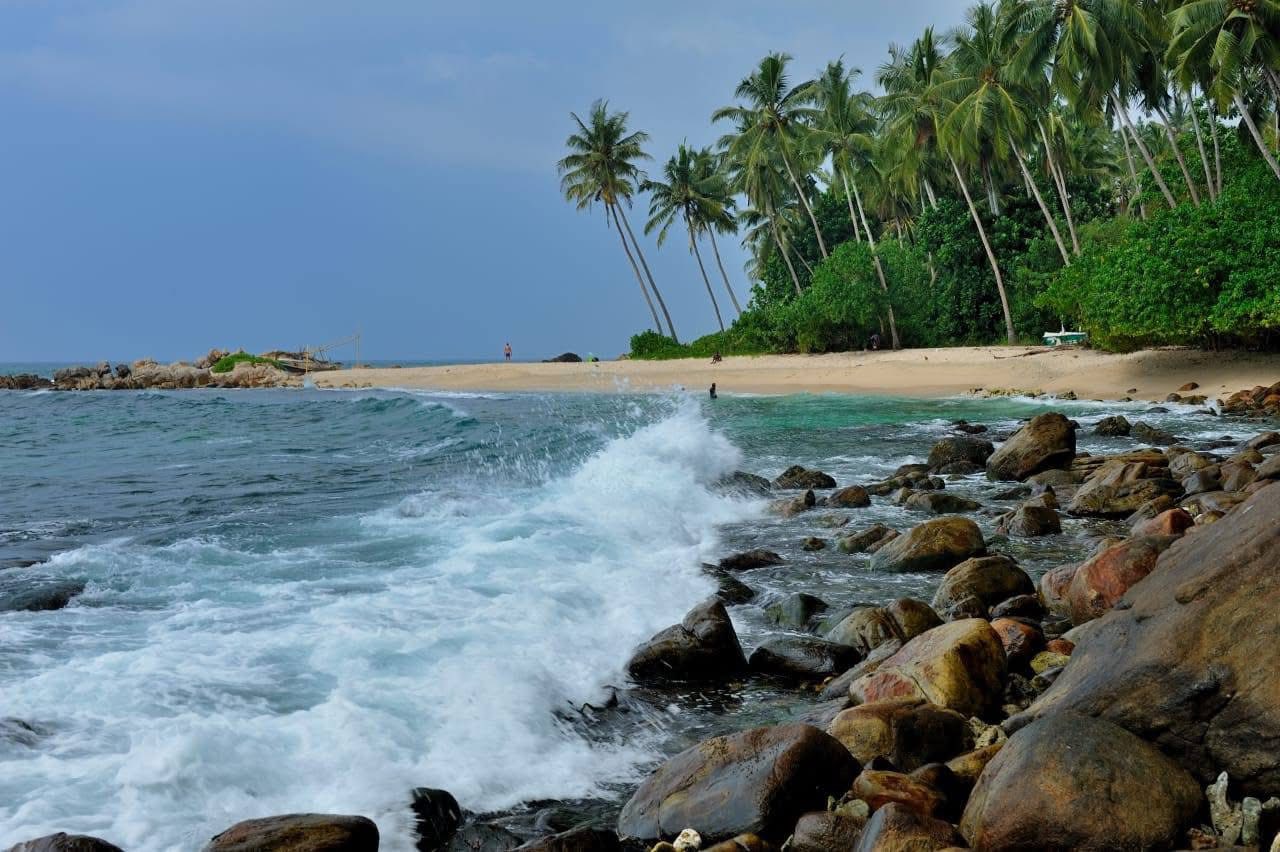
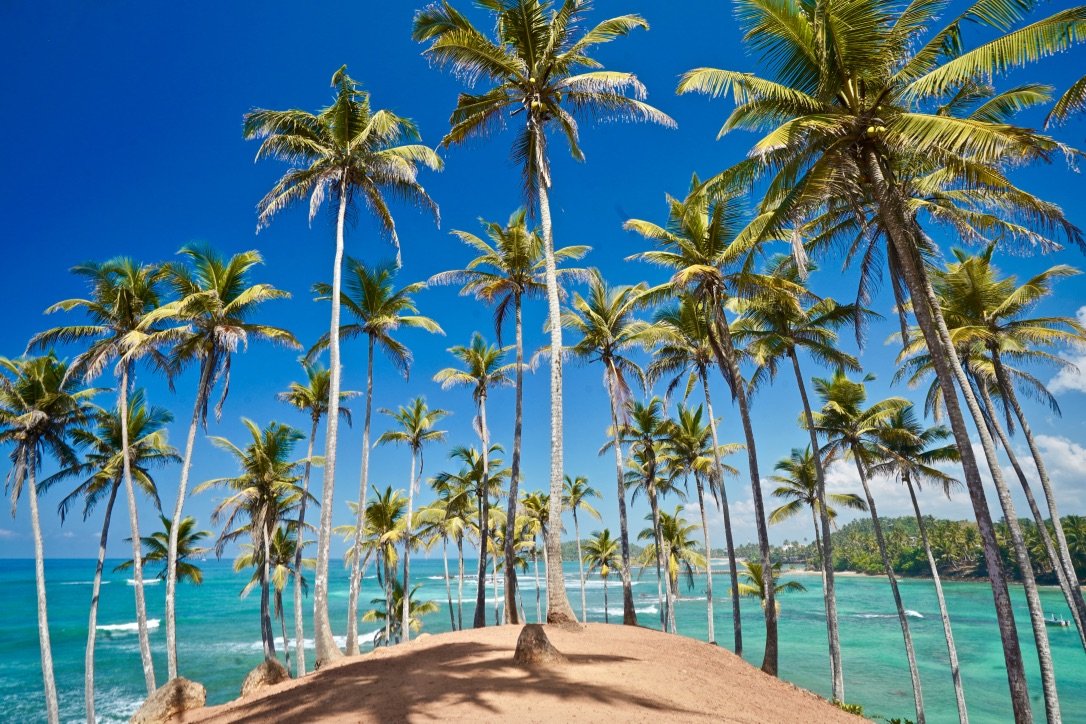
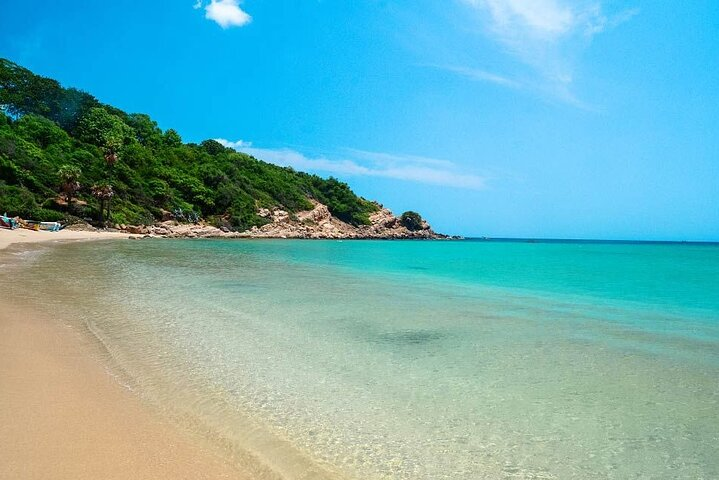
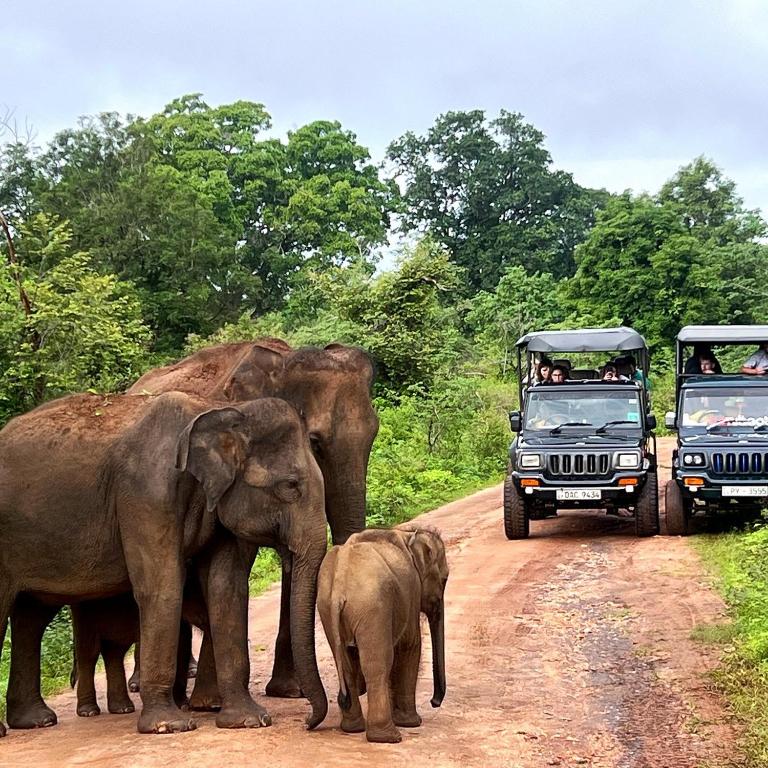
Sri Lanka is a captivating island nation in the Indian Ocean, renowned for its rich cultural heritage, diverse landscapes, and warm hospitality. Often called the “Pearl of the Indian Ocean,” Sri Lanka offers an extraordinary blend of ancient history and natural beauty within a compact, travel-friendly setting. From the sacred city of Kandy, home to the revered Temple of the Tooth, to the ancient rock fortress of Sigiriya rising dramatically above lush plains, the island is steeped in history and UNESCO-listed treasures. Visitors can explore centuries-old ruins in Anuradhapura or wander through colonial streets in Galle, where European influences blend seamlessly with local traditions. Nature lovers are equally spoiled for choice. The misty highlands of Nuwara Eliya offer rolling tea plantations and cool climates, while national parks like Yala National Park provide thrilling safaris where elephants, leopards, and exotic birdlife roam freely. Along the coast, golden beaches stretch from Bentota to Mirissa, perfect for relaxation, surfing, and whale watching. Sri Lanka’s vibrant culture is expressed through colorful festivals, traditional dance, and a flavorful cuisine featuring spices, fresh seafood, and iconic dishes like rice and curry. Whether seeking adventure, spirituality, wildlife, or simply a tranquil escape, Sri Lanka offers a truly unforgettable travel experience in one remarkable destination.
Best of Sri Lanka-Premium
Best of Sri Lanka-Original
Sri Lanka Explorer-Premium
Sri Lanka Explorer-Original
Sri Lanka has three main languages used across the country: Sinhala, Tamil, and English. Sinhala and Tamil are the two official and national languages, while English is widely used as a link language for communication, tourism, business, and education. For travellers, English is commonly spoken in: Hotels, Restaurants, Airports, Tourist attractions, Shops, Taxi services, Major cities and beach resorts
Most road signs, menus, and public information boards are available in Sinhala, Tamil, and English. English is especially common in tourist areas such as Colombo, Negombo, Kandy, Galle, Bentota, and Hikkaduwa.
Sinhala is the most widely spoken language in Sri Lanka, used by around 75% of the population, mainly in the south, west, and central regions. Tamil is more commonly spoken in the north and east of the island.
Sri Lanka is known for its rich and flavorful cuisine, influenced by spices, coconut, seafood, and centuries of cultural exchange. Here are some of the country’s most famous dishes that would work well on a travel website:
1. Rice and Curry
This is the most traditional meal in Sri Lanka. It usually includes steamed rice served with several curries, such as chicken, fish, dhal, jackfruit, potato, and spicy sambols. Every region has its own variation, making it a must-try experience for visitors.
2. Hoppers
Hoppers are bowl-shaped pancakes made from fermented rice flour and coconut milk. They are crispy around the edges and soft in the center. Egg hoppers, which have an egg cooked in the middle, are especially popular for breakfast or dinner.
3. Kottu Roti
Kottu Roti is one of Sri Lanka’s most beloved street foods. It is made by chopping flatbread into pieces and stir-frying it with vegetables, eggs, meat, and spices. The rhythmic sound of metal blades chopping the roti is iconic in Sri Lankan cities.
4. String Hoppers
String hoppers are delicate steamed noodles made from rice flour, pressed into thin strands and shaped into small nests. They are often served with curry, coconut sambol, or dhal.
5. Pol Sambol
Pol Sambol is a spicy side dish made with grated coconut, chili, onion, lime, and salt. It is commonly served with rice, hoppers, and bread, adding a fresh and fiery flavor.
6. Lamprais
Lamprais is a unique dish with Dutch colonial roots. It includes rice, meat curry, sambol, and fried eggplant wrapped in a banana leaf and baked for extra flavor.
7. Fish Ambul Thiyal
This traditional fish curry is known for its sour and peppery taste. The fish is cooked with spices and dried goraka fruit, which gives the dish its distinctive flavor.
8. Dhal Curry
Dhal Curry is a simple but essential part of Sri Lankan cuisine. Made from red lentils cooked with coconut milk, onion, garlic, and spices, it is served with almost every meal.
9. Watalappam
Watalappam is a rich dessert made with coconut milk, jaggery, eggs, and spices such as cardamom and nutmeg. It is especially popular during festivals and celebrations.
10. Ceylon Tea
No visit to Sri Lanka is complete without tasting its world-famous tea. Grown in the hill country, Ceylon Tea is known for its strong aroma and refreshing flavor, making it one of the country’s most famous exports.
Sri Lanka uses the Sri Lankan Rupee as its official currency, commonly written as LKR or Rs.
Common banknote denominations include: Rs. 20, Rs. 50, Rs. 100, Rs. 500, Rs. 1,000, Rs. 5,000
Coins are available in:
Rs. 1, Rs. 2, Rs. 5, Rs. 10
For tourists visiting Sri Lanka:
Credit and debit cards are widely accepted in hotels, restaurants, supermarkets, and larger shops.
Cash is recommended for local markets, tuk-tuks, small shops, rural areas, and street food vendors.
- ATMs are available in most cities and tourist areas.
- Currency exchange services can be found at airports, banks, and licensed exchange centers.
- It is best to carry small notes for taxis, tips, and local purchases.
- US Dollars, Euros, and British Pounds can easily be exchanged in Sri Lanka.
Useful tip for travelers:
Always keep some cash with you, especially when visiting beaches, rural villages, national parks, and local markets where card payments may not be accepted.
Sri Lanka has a tropical climate with warm temperatures throughout the year. Most coastal areas stay between 26°C and 32°C, while the hill country is much cooler, especially in places like Kandy and Nuwara Eliya where temperatures can drop to 14°C–22°C.
Sri Lanka has two main monsoon seasons:
The southwest monsoon affects the south, west coast, and hill country from May to September.
The northeast monsoon affects the north and east coast from November to March.
March to April and September to October are inter-monsoon periods with short showers and thunderstorms.
Best time to visit by region:
South and West Coast: December to April
East Coast and North: May to September
Hill Country: December to March
Cultural Triangle: January to April
Popular weather-friendly travel seasons include:
Beach holidays in Mirissa, Bentota, and Galle from December to April
Surfing in Arugam Bay from May to September
Whale watching in Mirissa from November to April
Wildlife safaris in Yala National Park during the dry season
Travel tip:
Even during the rainy season, showers are often short and many parts of the island remain sunny, making Sri Lanka a year-round destination for travelers.